UZBEKISTAN, 2025
Fergana Valley and the Silk Road
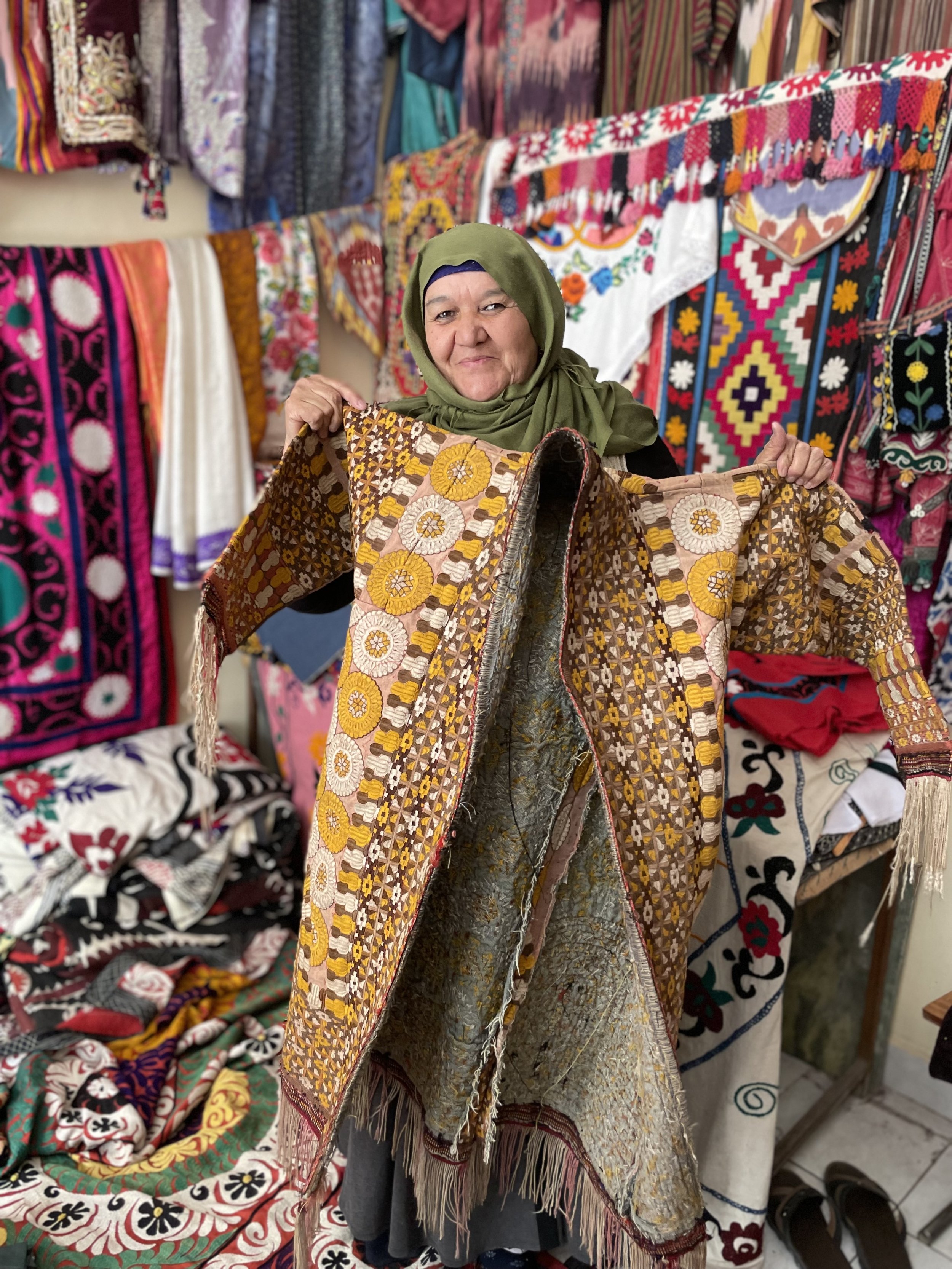
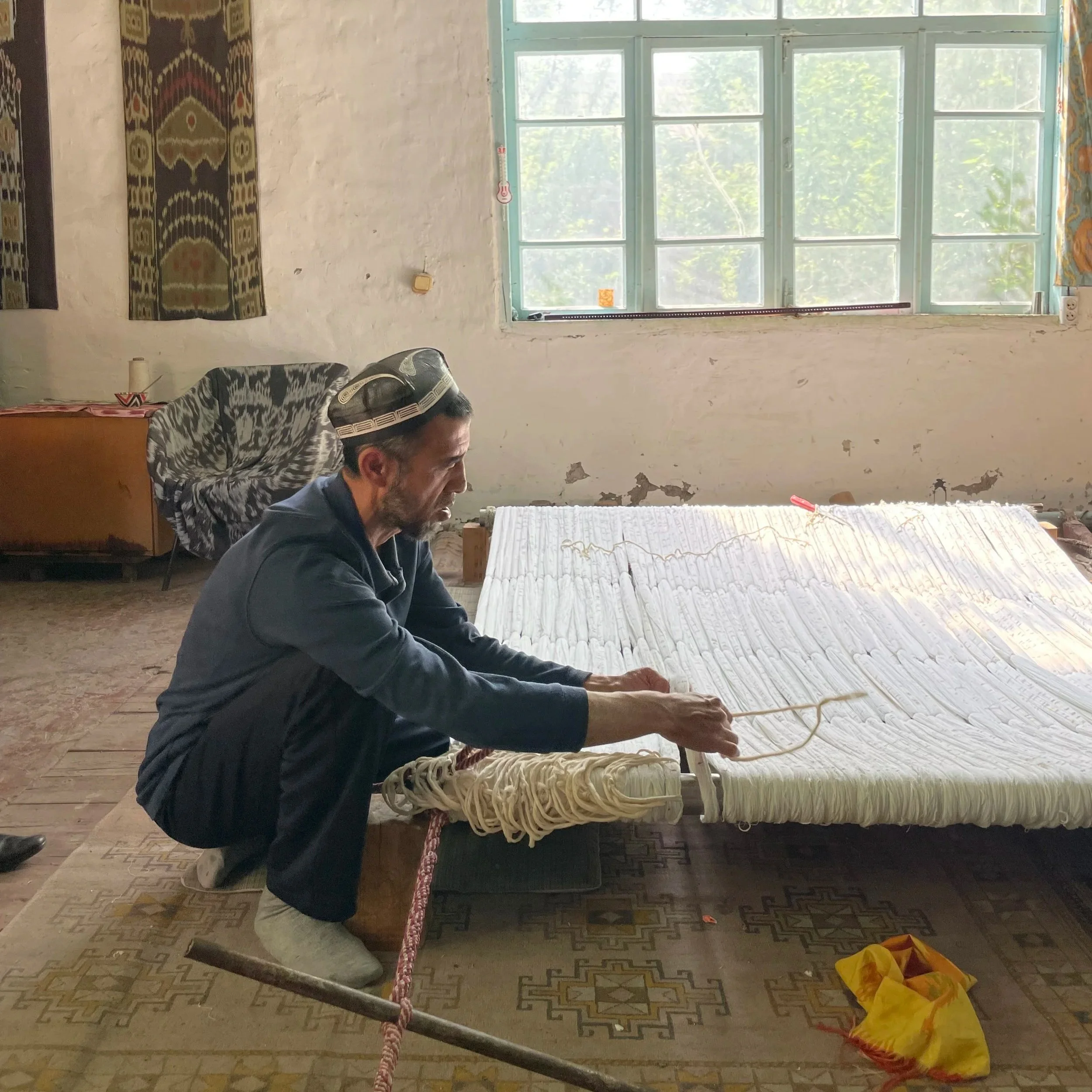
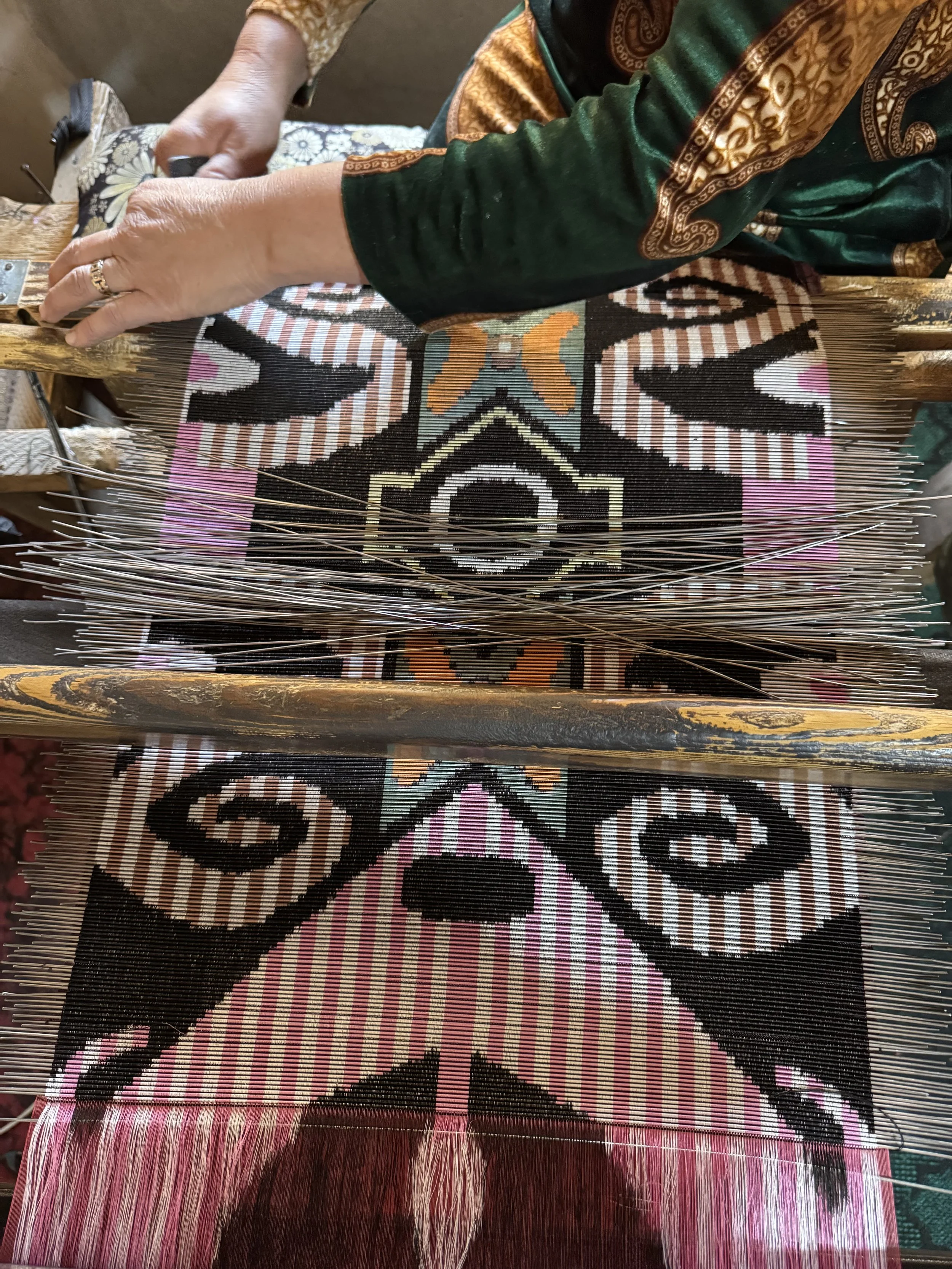
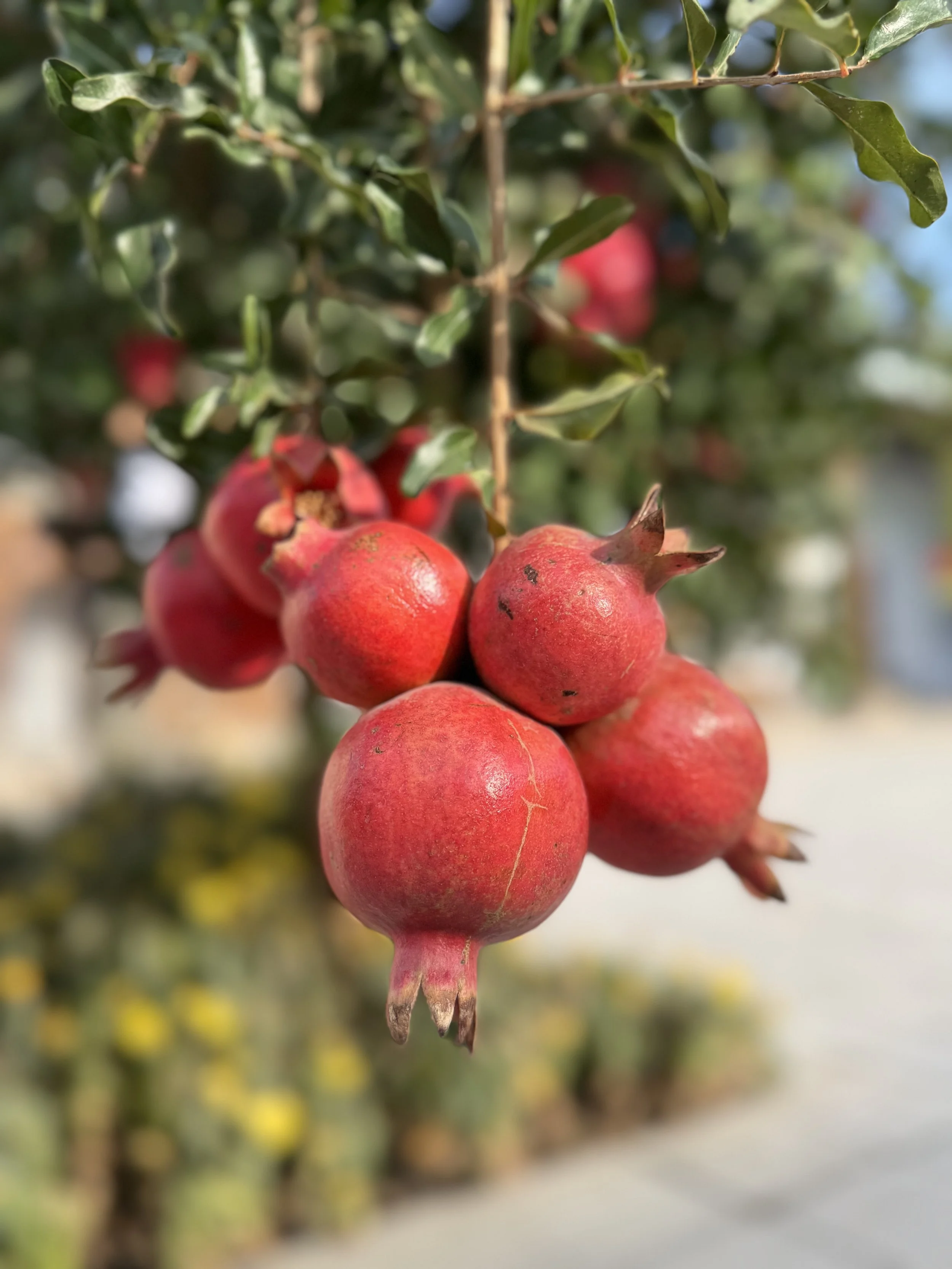
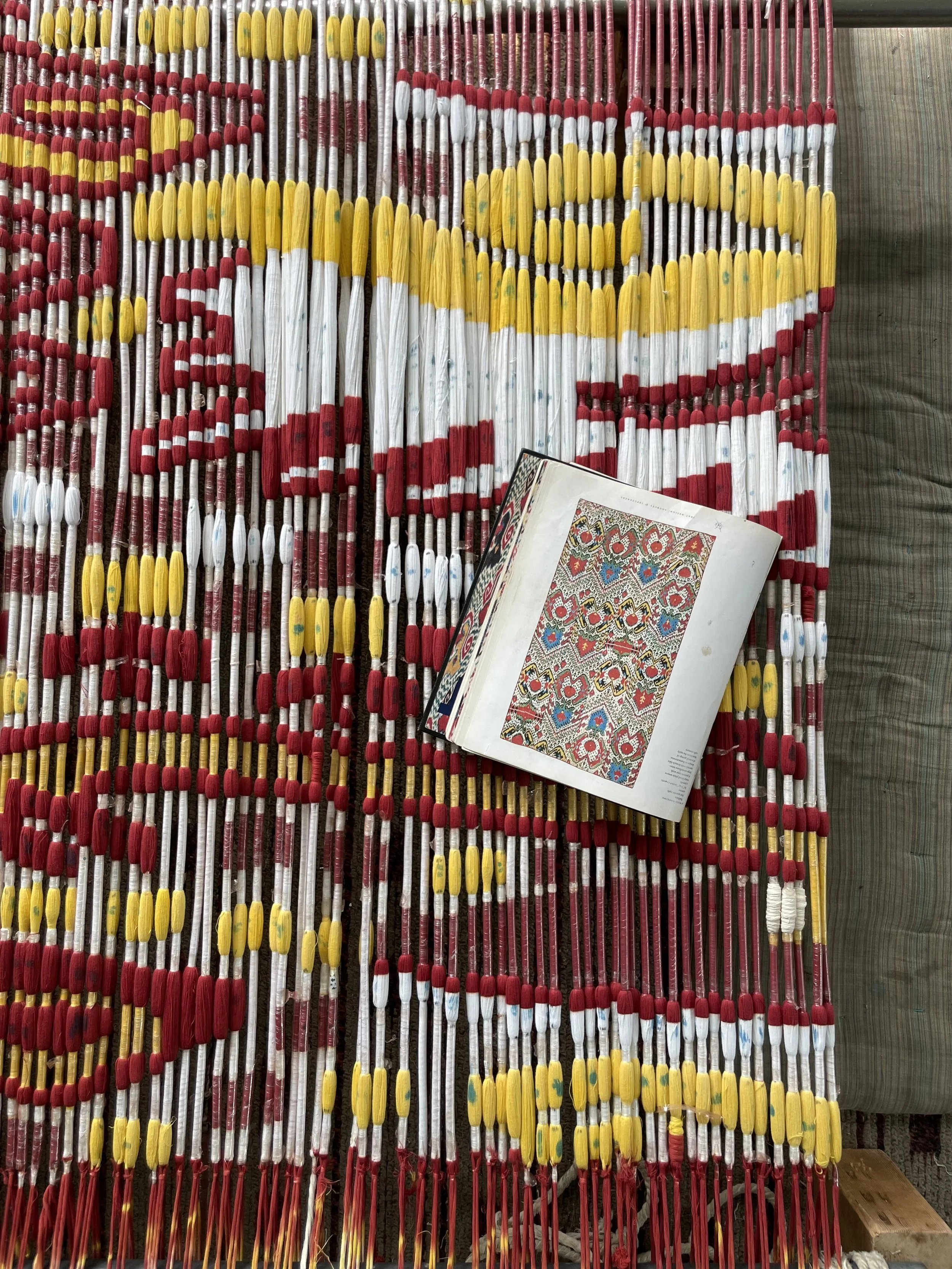
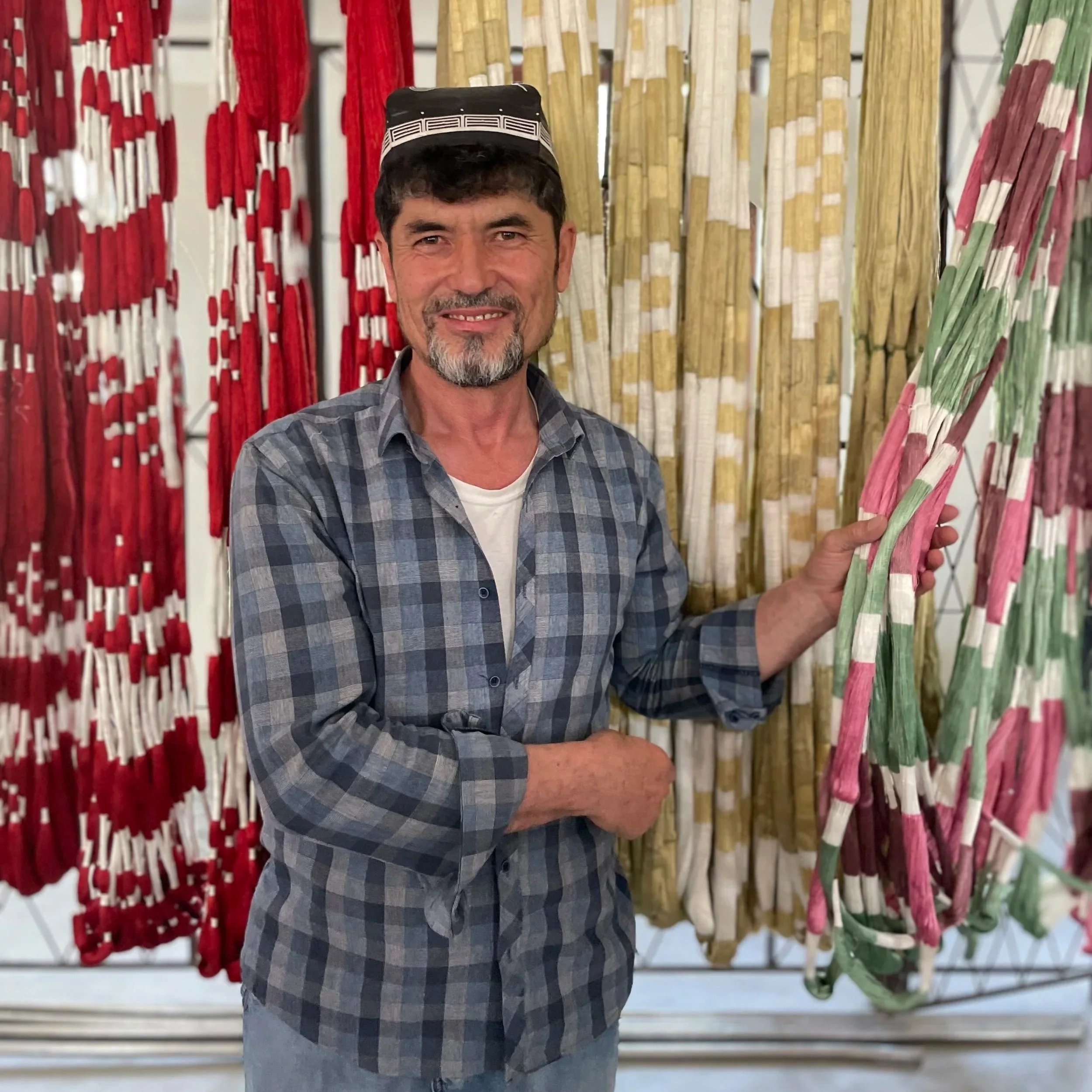
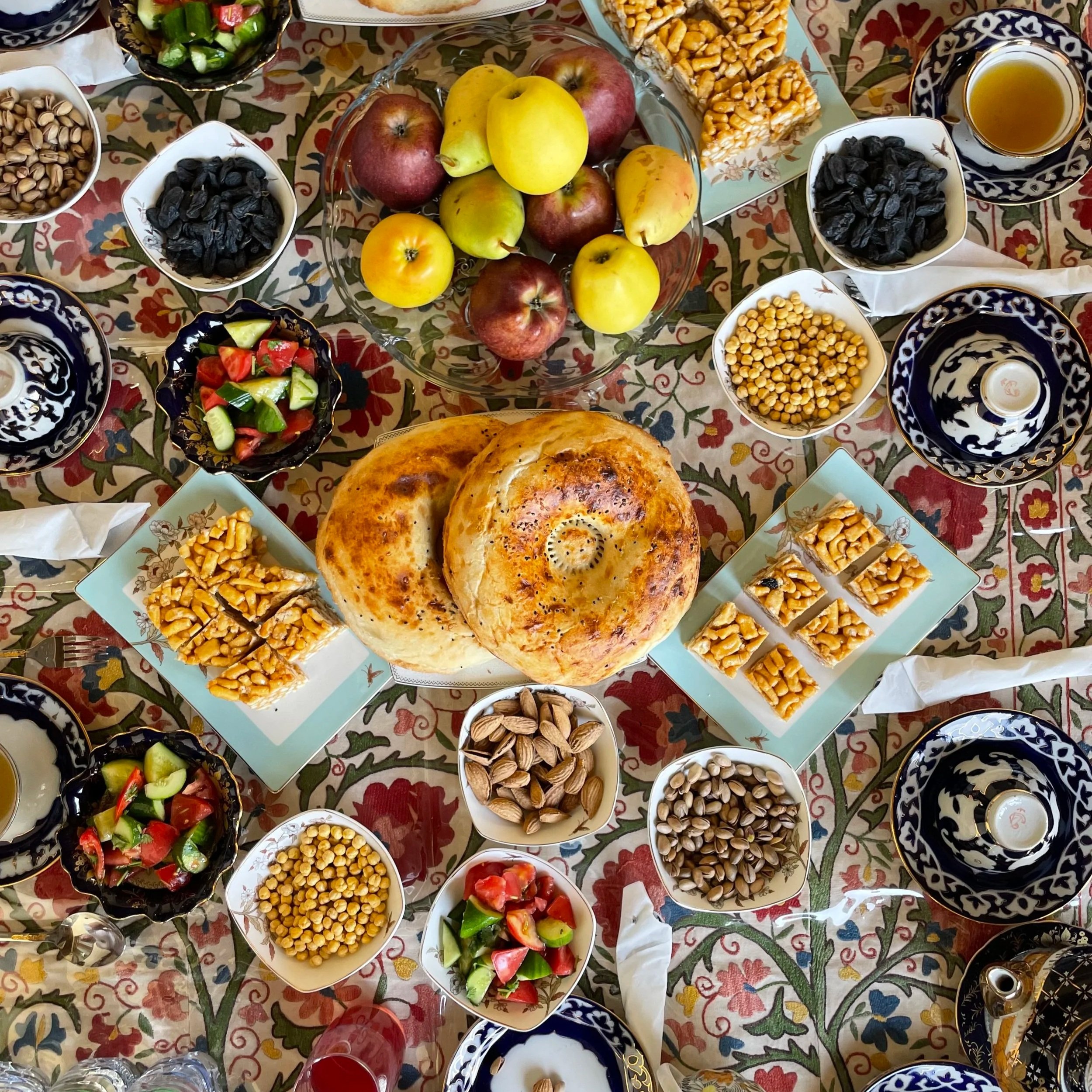
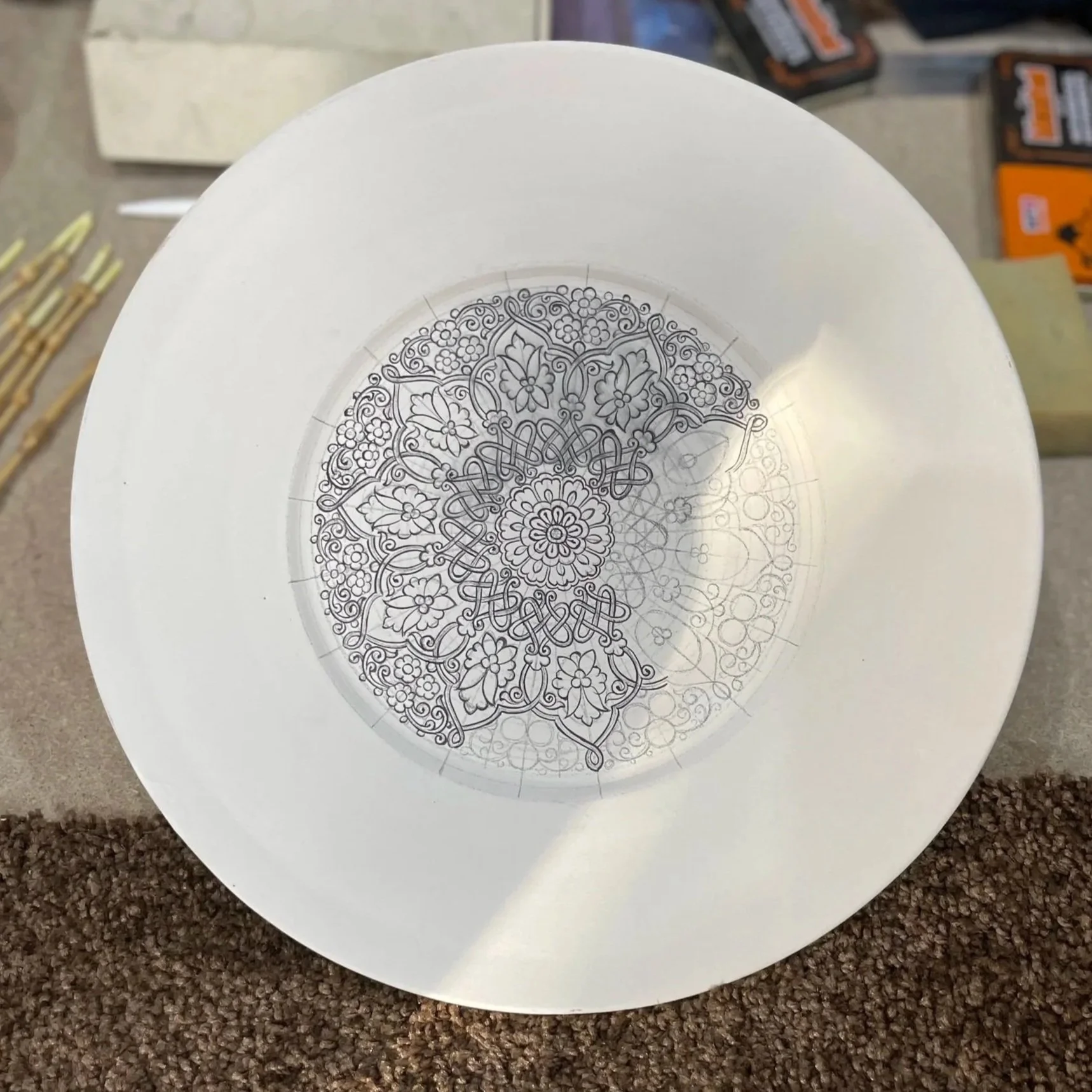
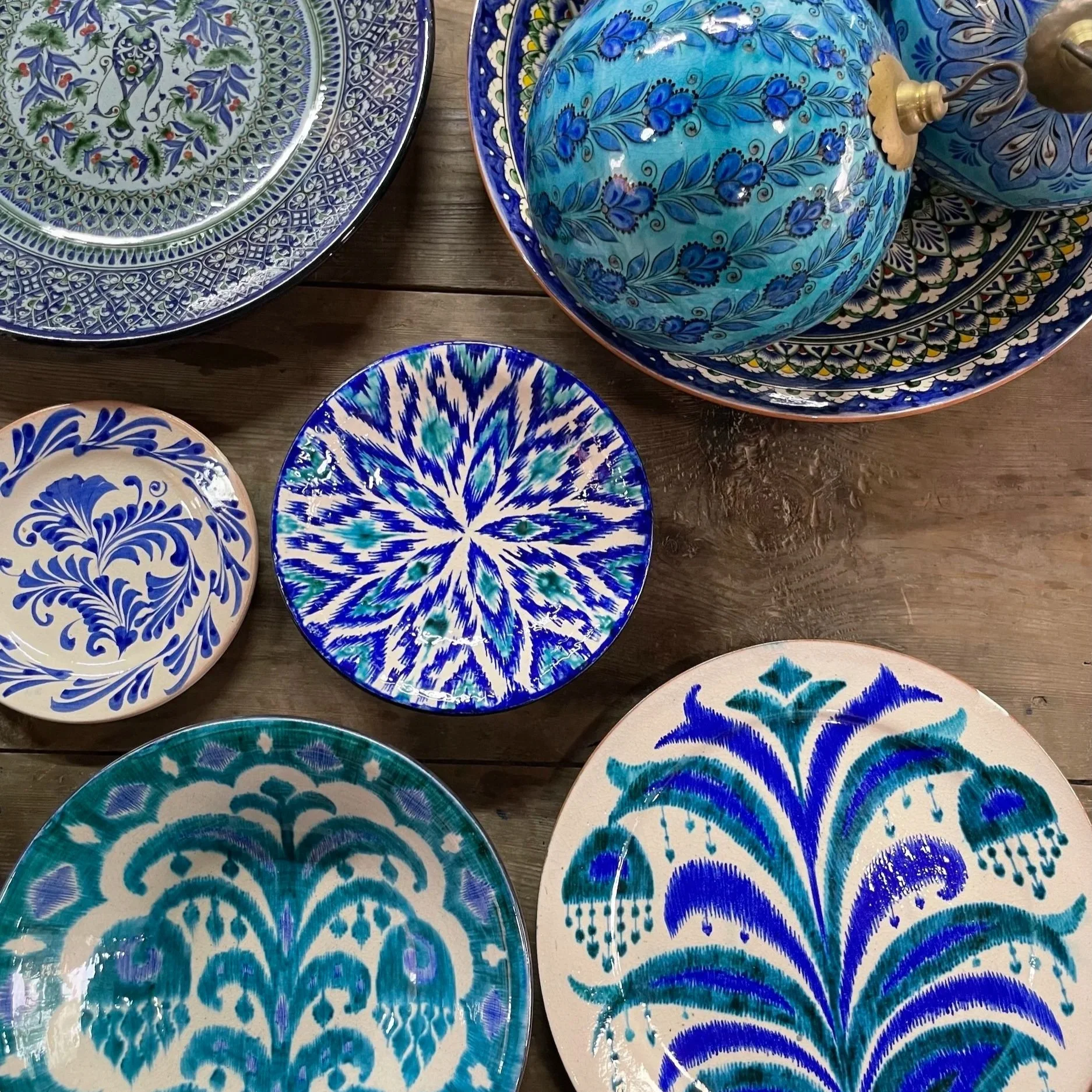
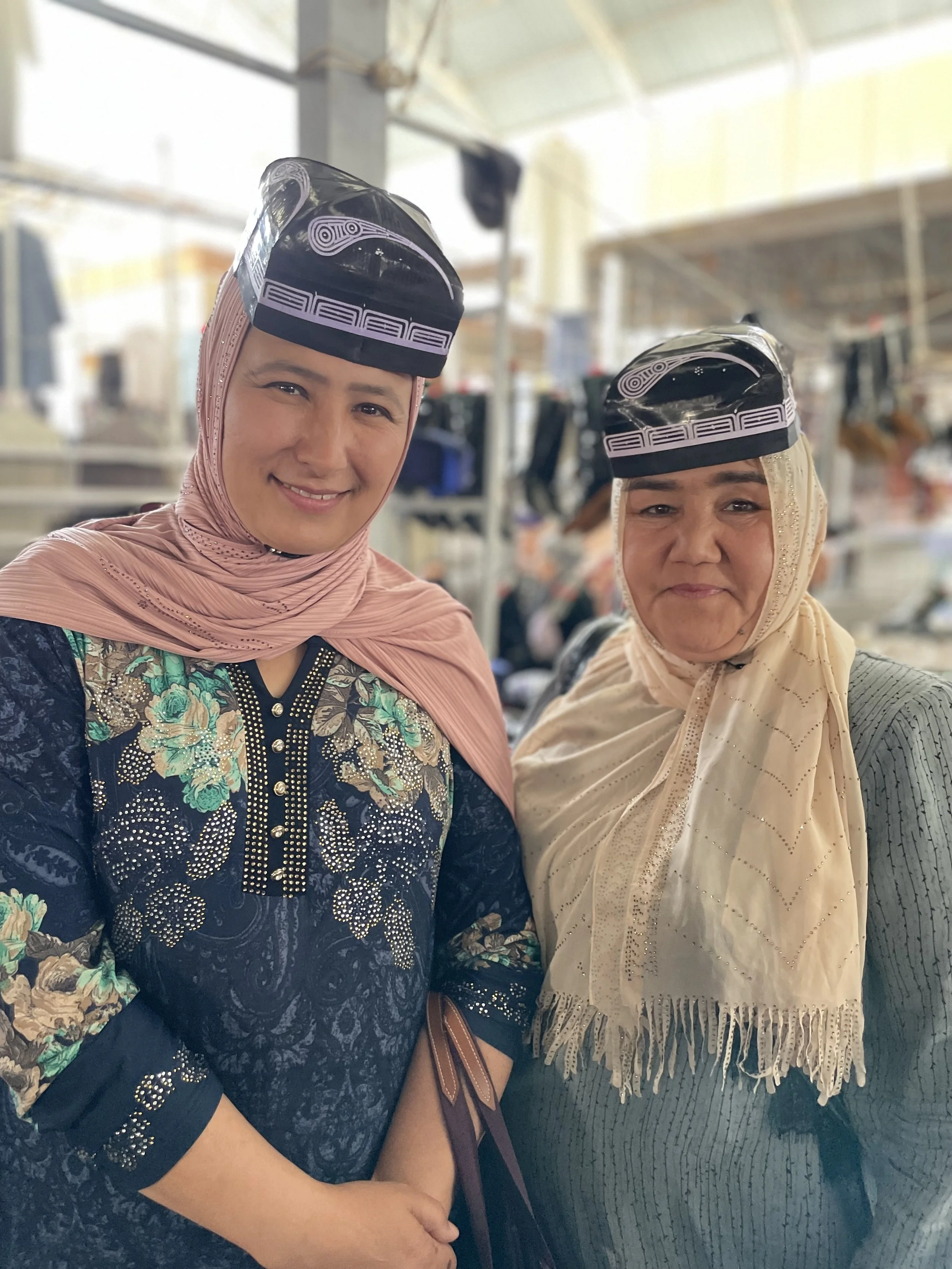
Our first tour to Uzbekistan started in the Fergana Valley, where traditional handcrafts have experienced a revival following the collapse of the Soviet Union in 1991. Our guide, Raisa Gareeva, was involved in craft development projects during the post-Soviet era and she is still deeply connected to the artisan world. Today, Uzbekistan is the world’s third-largest producer of silk, and most of this production takes place in the Fergana Valley. In addition to learning about sericulture, we learned about the ikat weaving process through all its steps, including the making of velvet ikat. We also met a renowned ceramicist and a maker of clay ovens. We visited a bustling local market and we enjoyed staying at a guesthouse run by a prominent ikat weaving family. Traveling in autumn allowed us to enjoy eating fresh pomegranates and melons and to see the occasional wedding party!
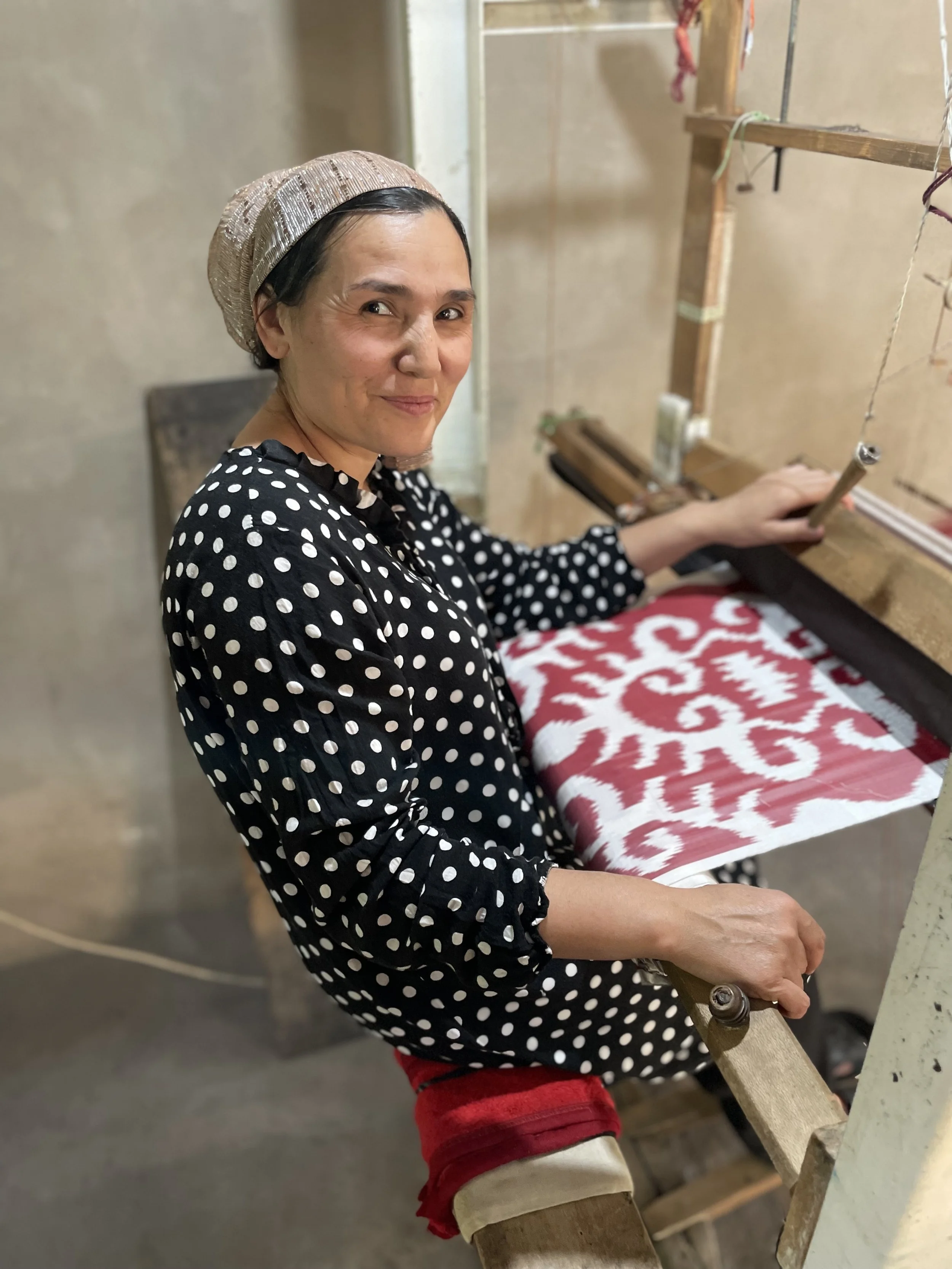
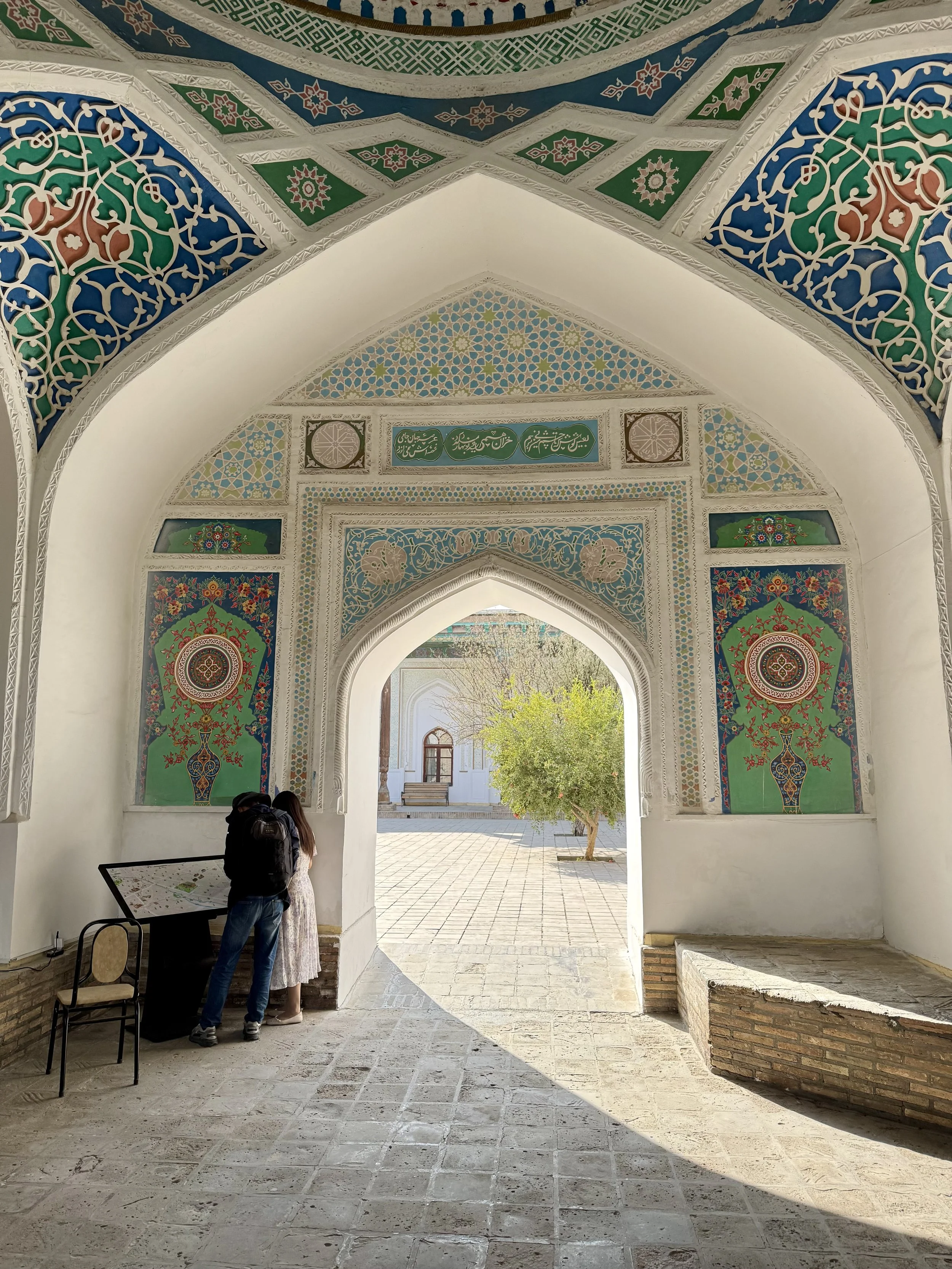
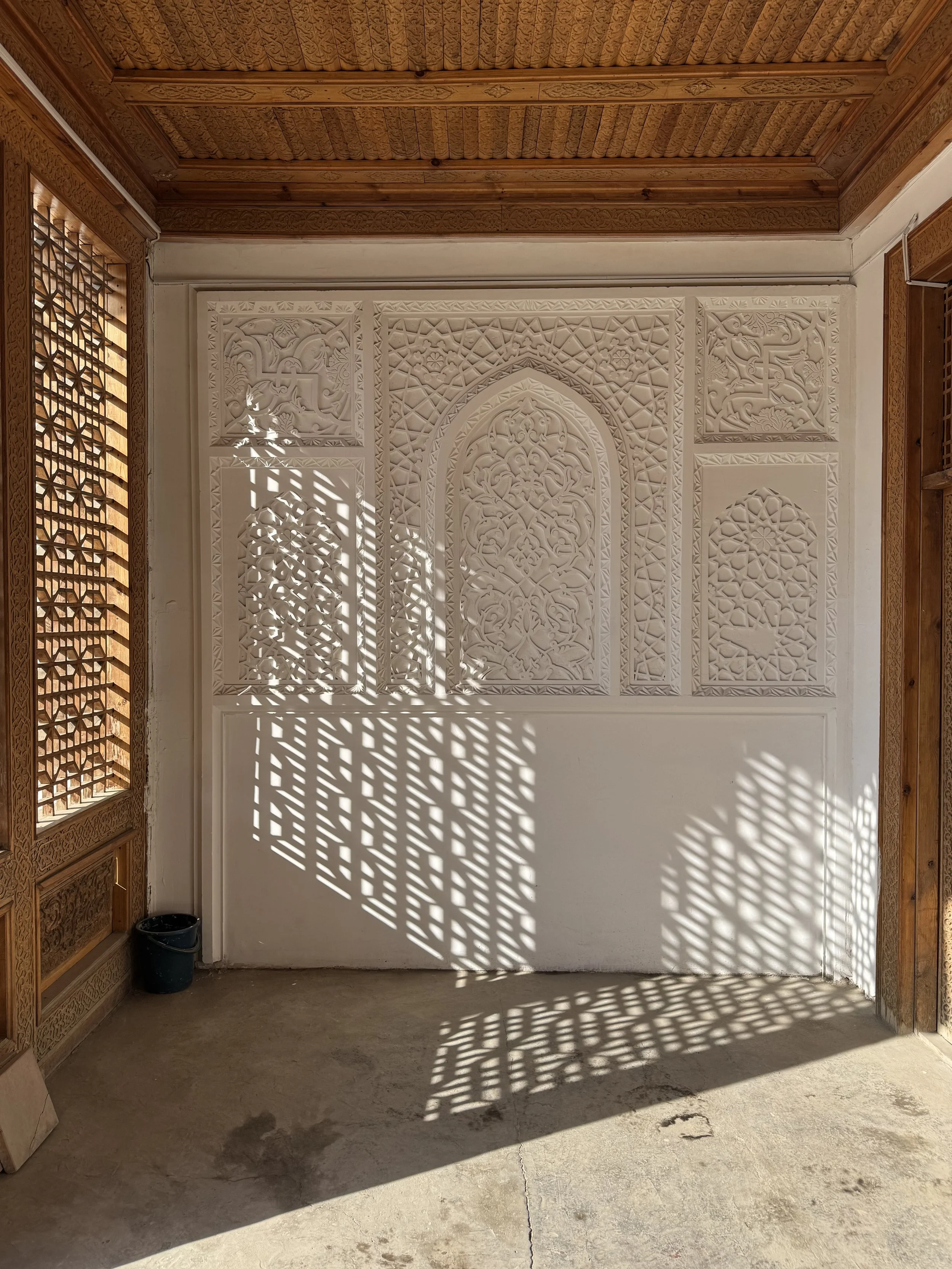
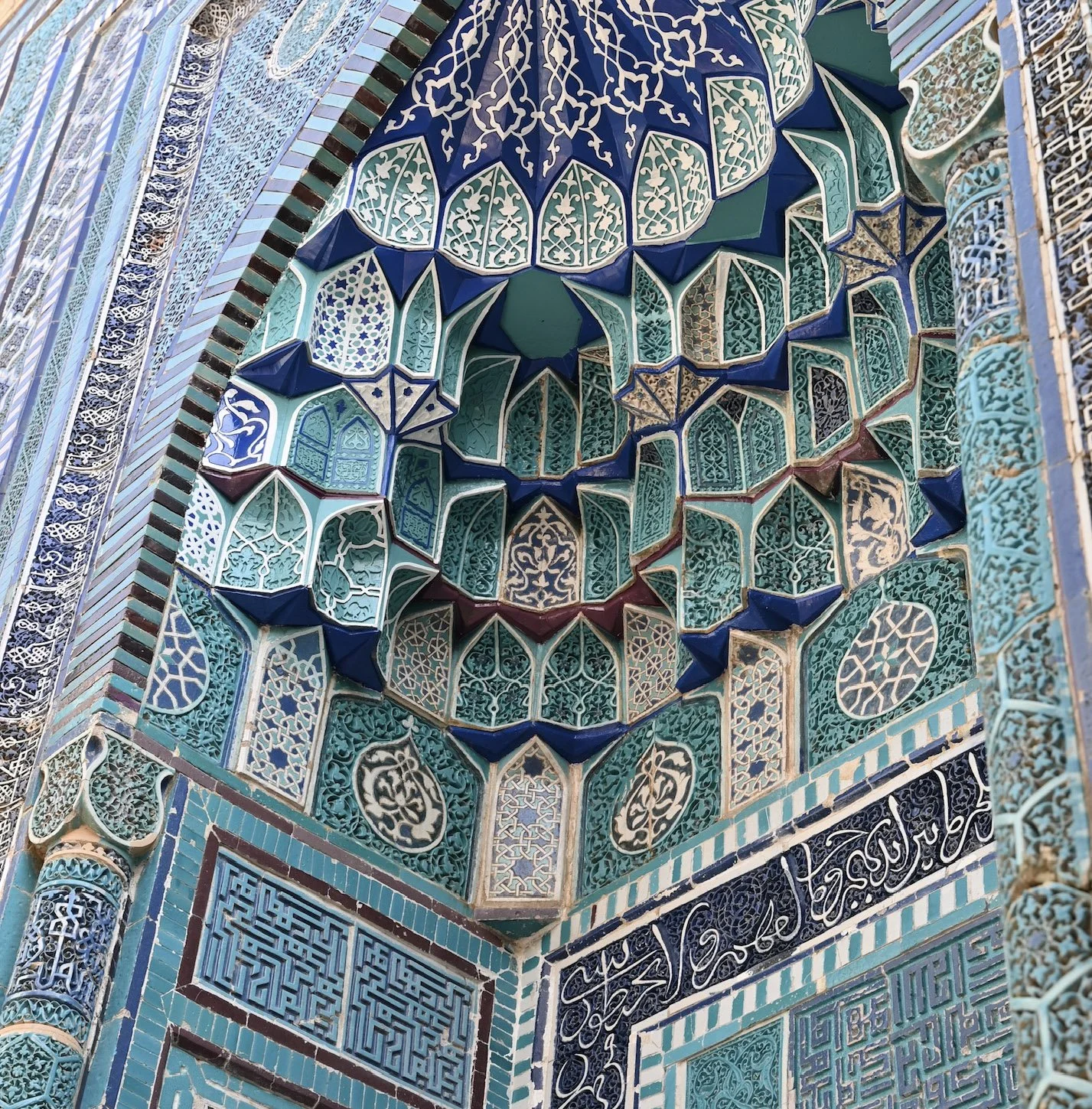
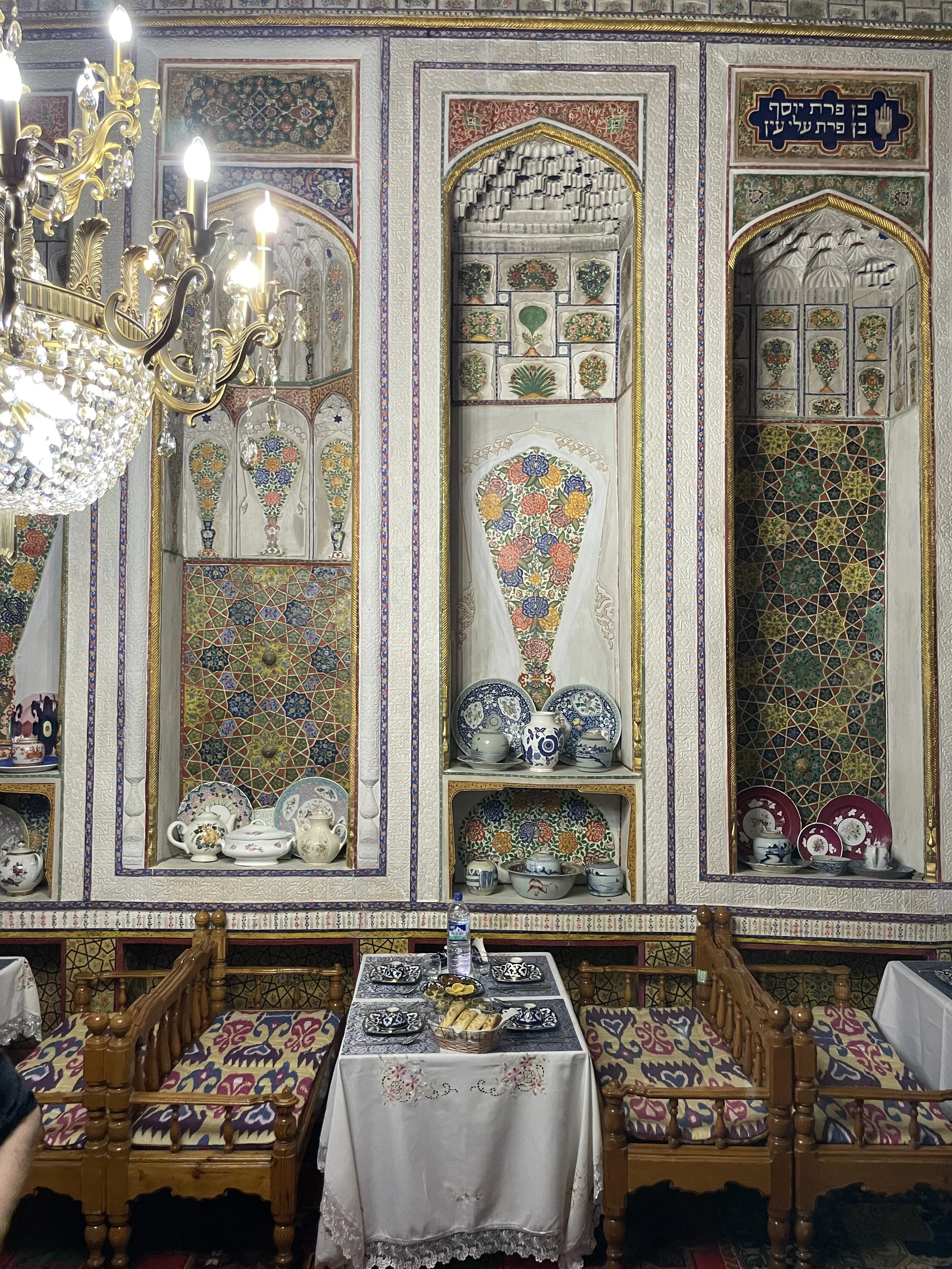
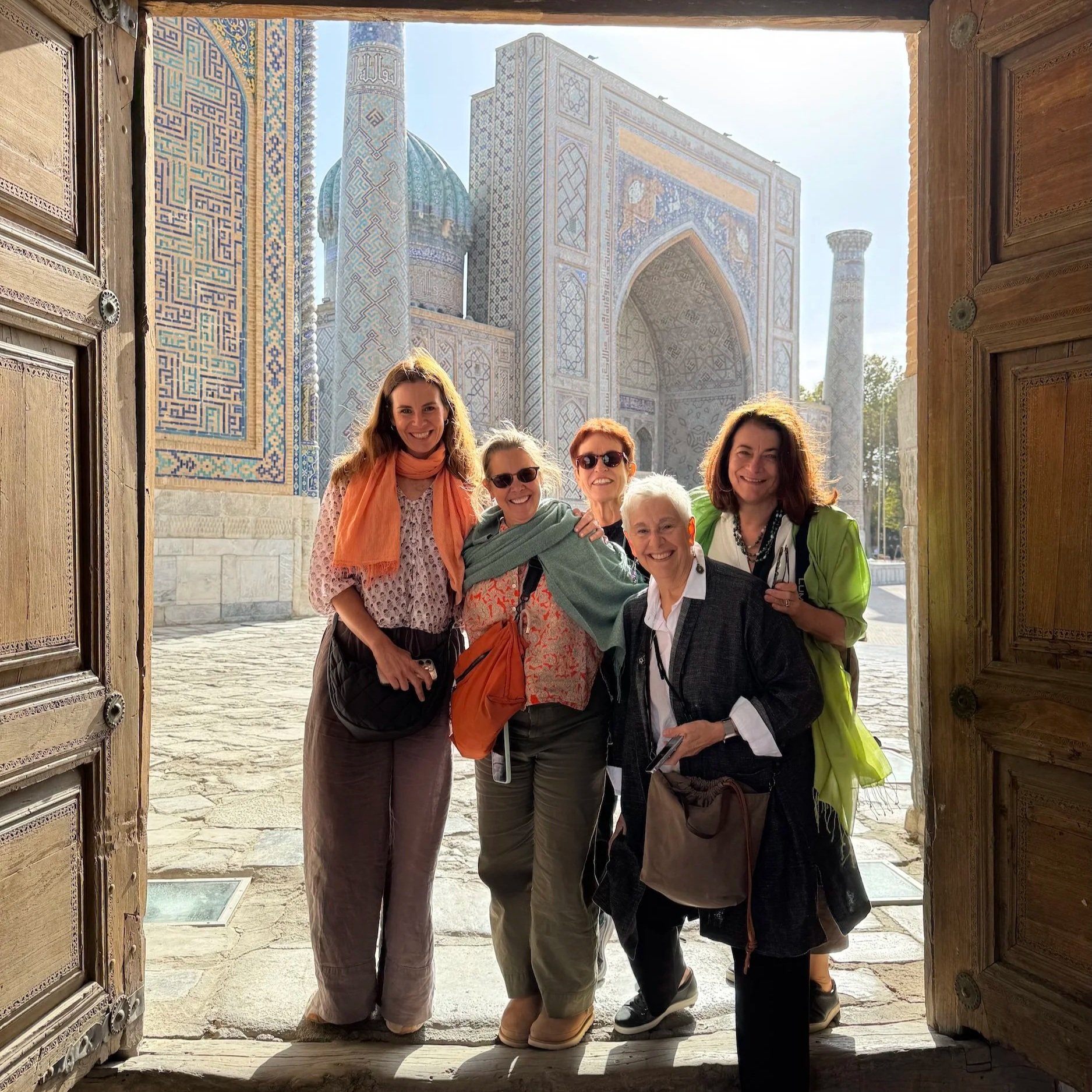
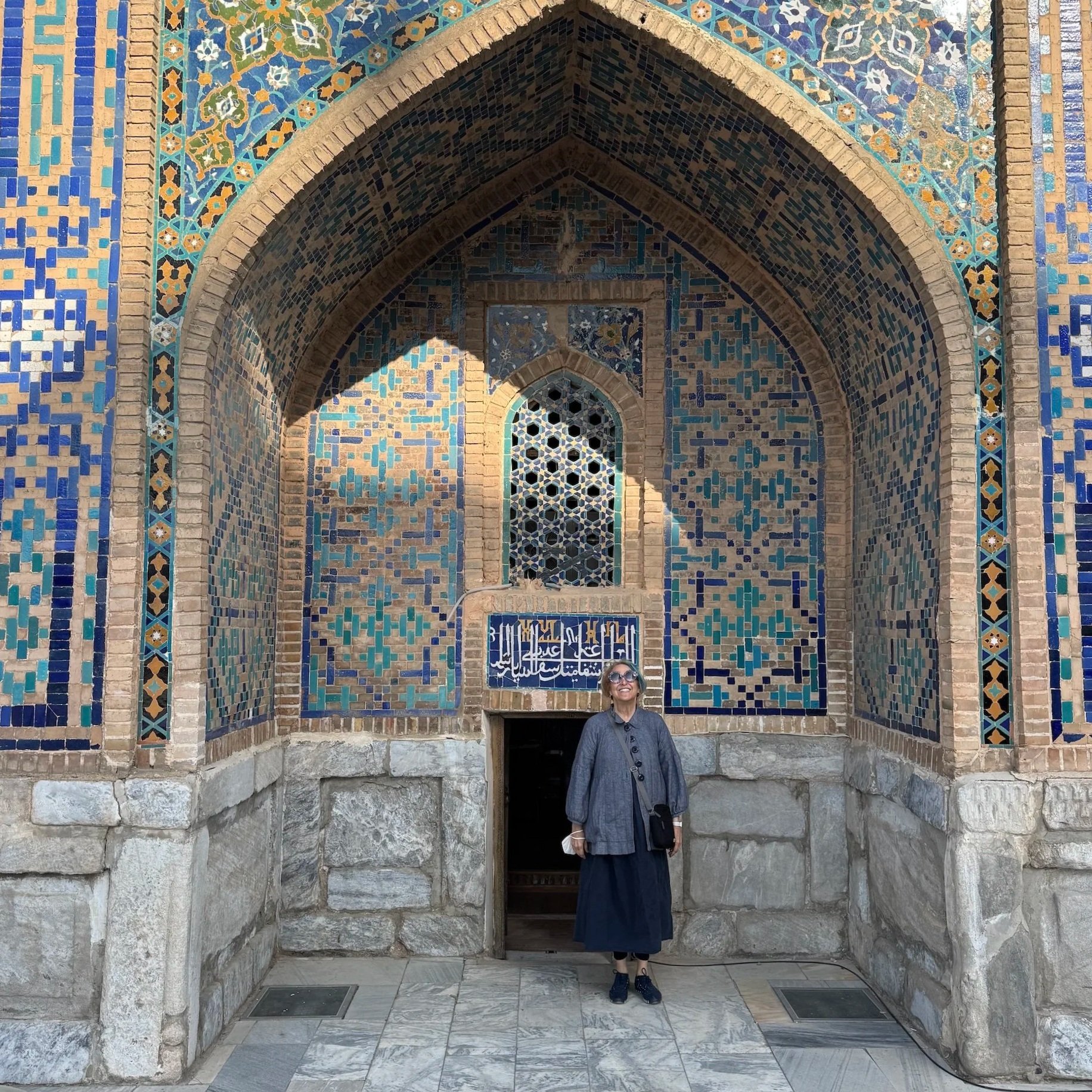
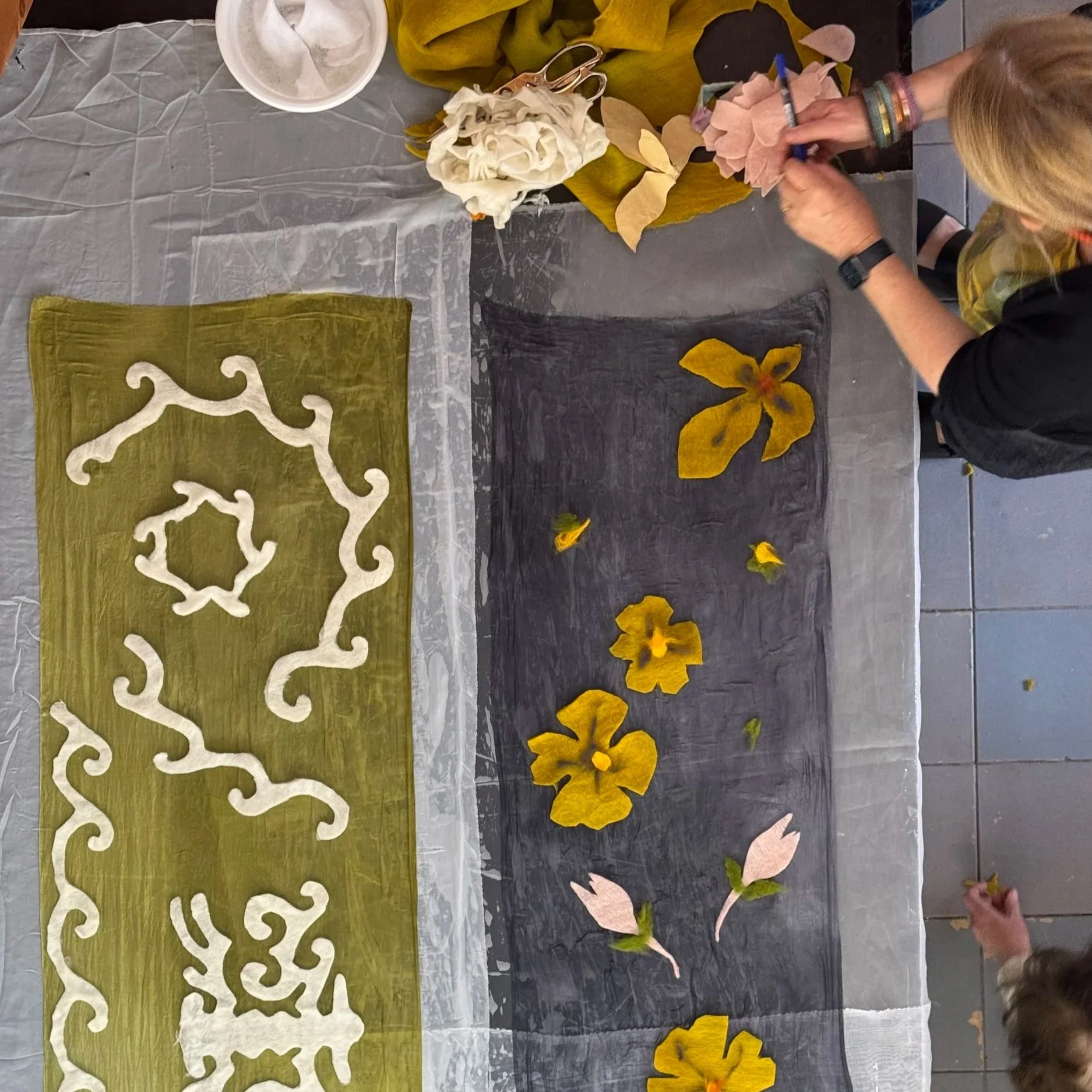
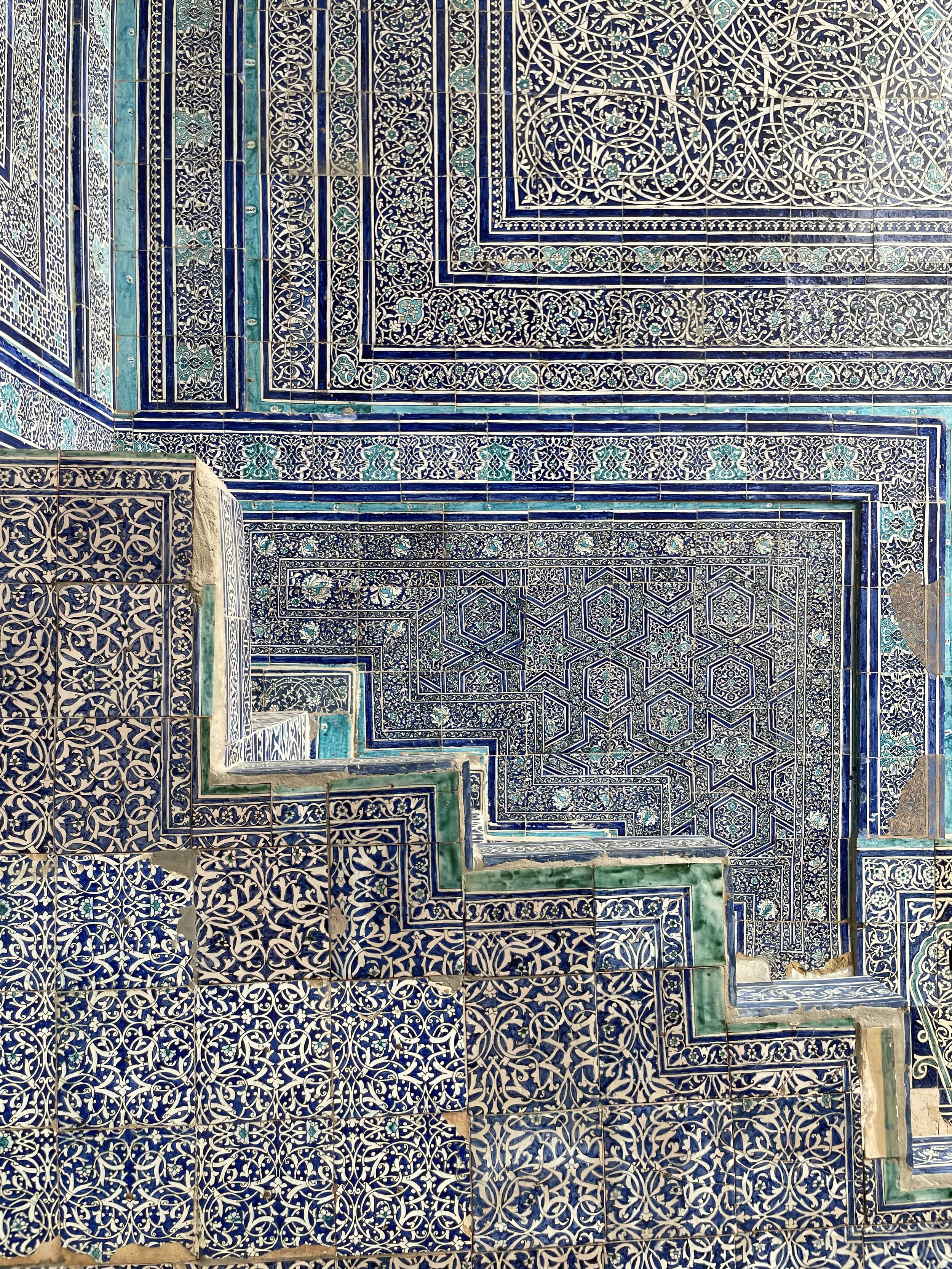
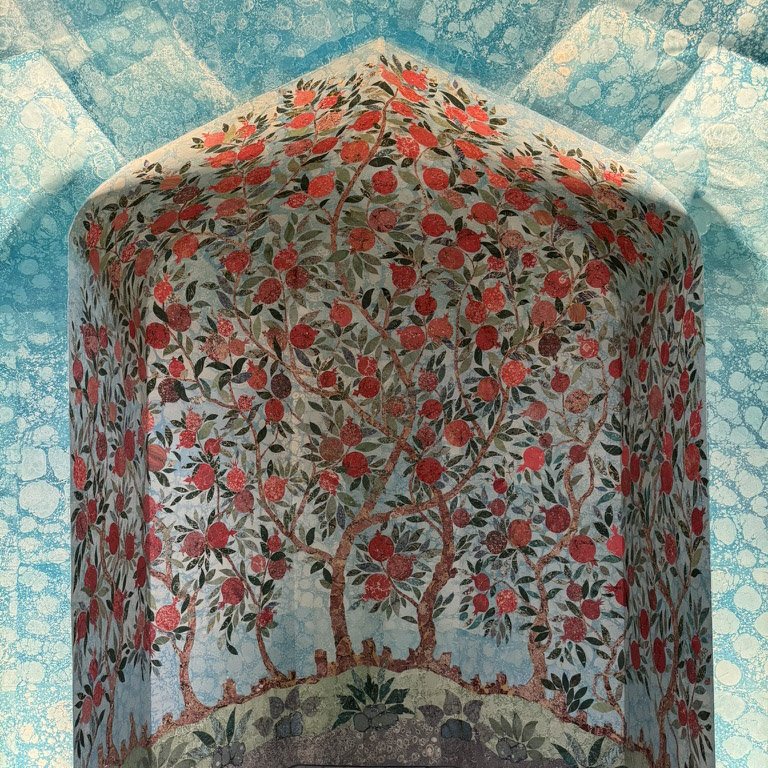
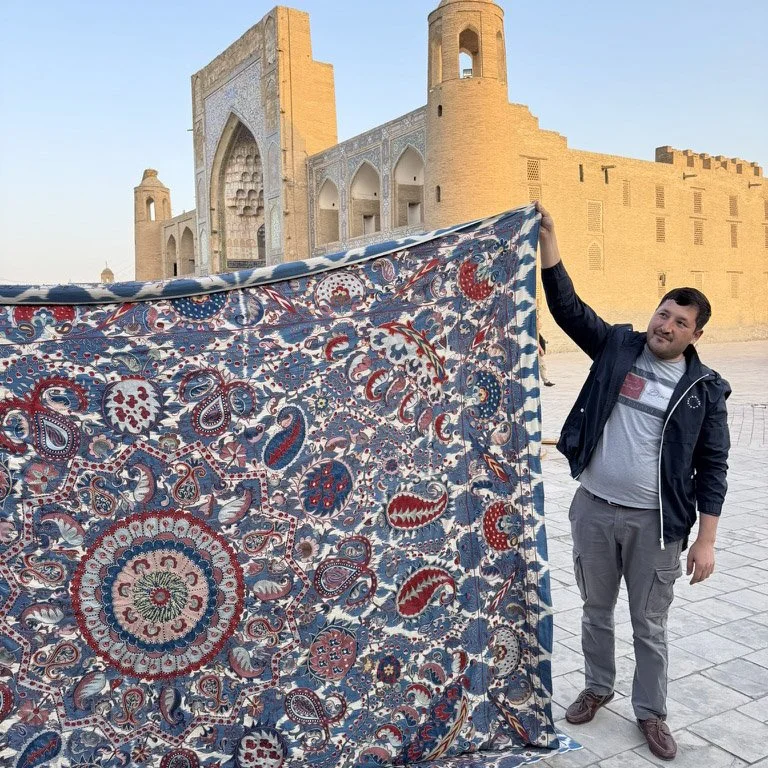
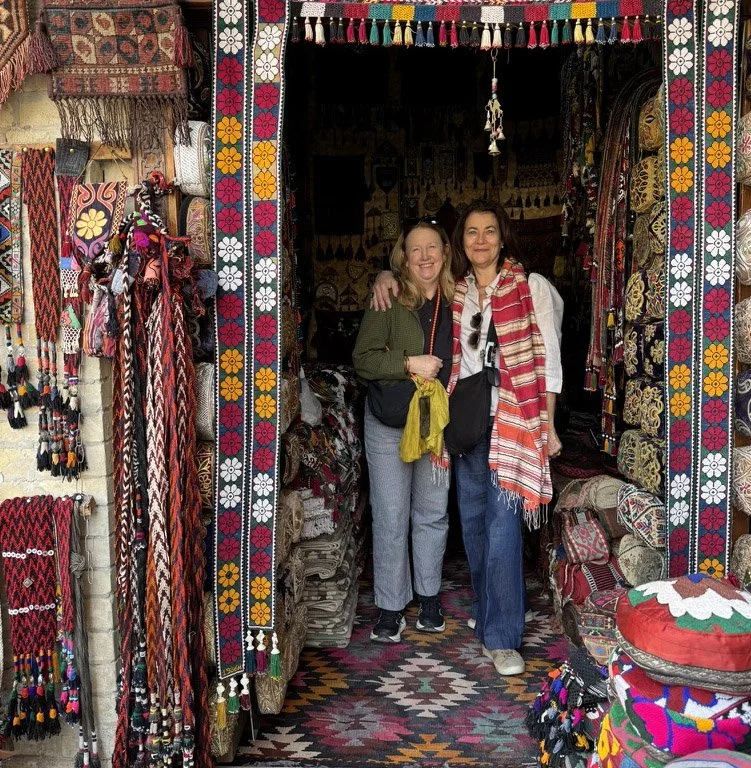
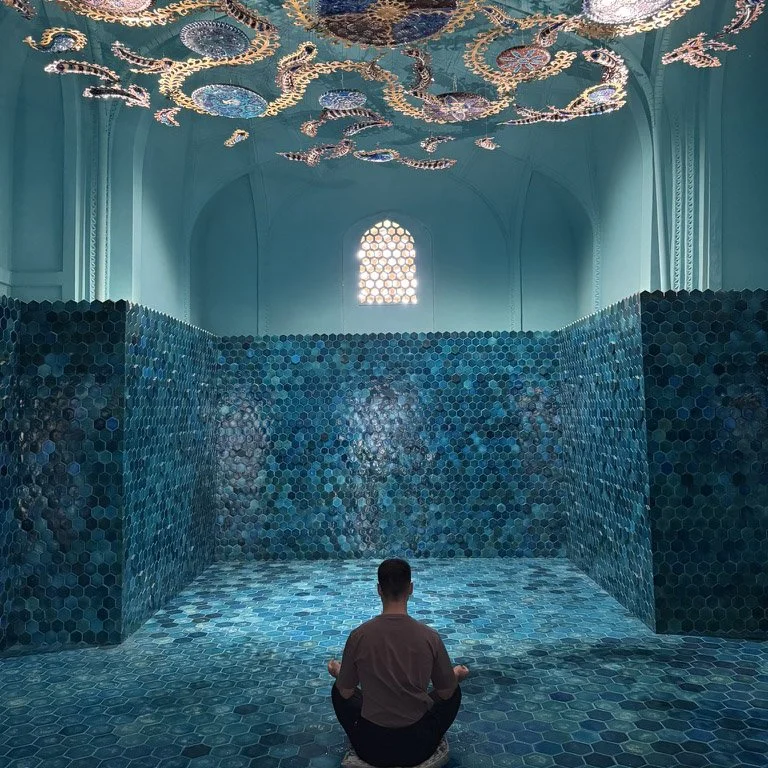
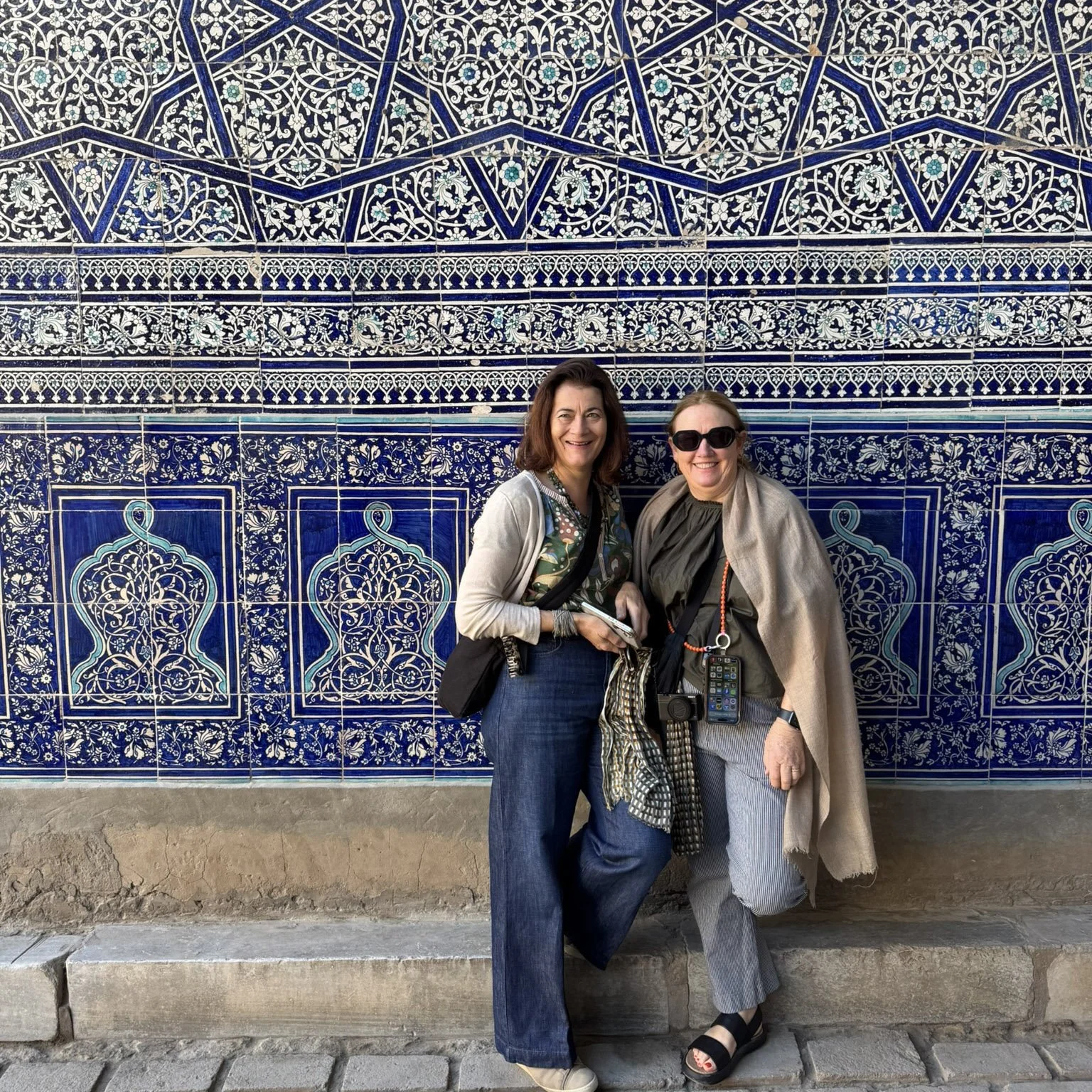
After exploring crafts in the Fergana Valley, we toured the classic cities of the Silk Road, including Khiva, Bukhara, Samarkand and Tashkent. We visited magnificent mosques, mausoleums and madrasas. We shopped at markets and covered bazaars and rummaged through a textile dealer’s warehouse. We visited the studio and showroom of the country’s most celebrated suzani artist, and we made gorgeous felted scarves in a Kyrgyz felt-making workshop. We were excited to be in Bukhara, our guide’s hometown, for the inaugural Bukhara Biennial. International contemporary artists collaborated with artisans from throughout Uzbekistan to create artworks that were installed throughout the old center of Bukhara, providing a wonderful way to explore the old city.